
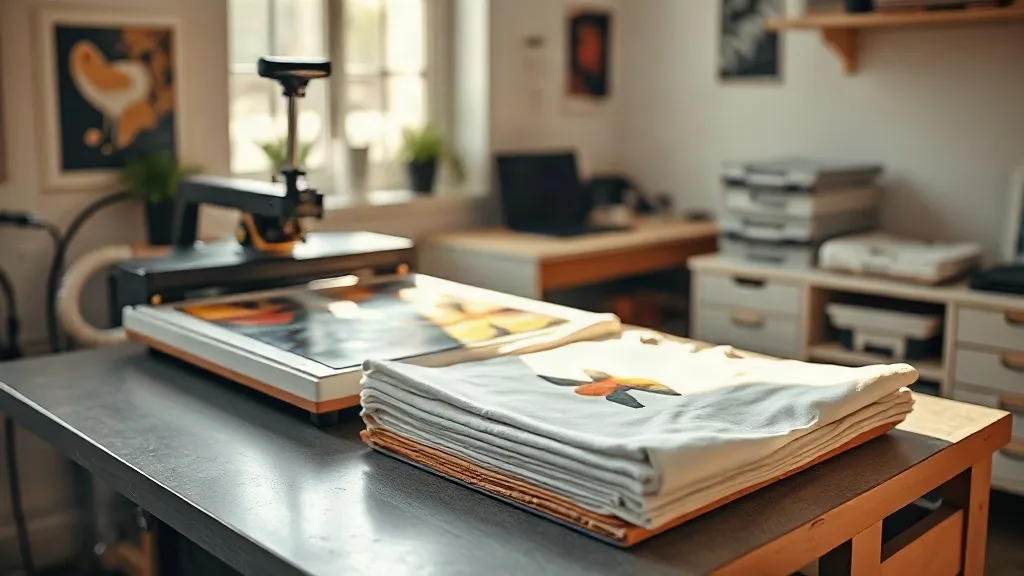
If you have spent any time around custom apparel printing lately, you have probably noticed that dtf transfers have quietly become one of the most talked-about methods for getting full-color designs onto fabric. Unlike screen printing, which demands separate screens for every color, or vinyl cutting, which struggles with gradients and fine detail, DTF (direct-to-film) printing sidesteps most of those headaches. A design is printed onto a special film, dusted with adhesive powder, and then heat-pressed onto the garment. The result is a durable, stretchy, full-color print that works on far more materials than most people expect.
This guide is aimed at the person who has heard the term, seen the results, and now wants to understand the process well enough to make a confident decision. Whether you run a small print shop, sell handmade shirts on the side, or simply want to personalize team jerseys for a weekend tournament, the details below will save you from the most common missteps.
What DTF Actually Involves
The dtf process begins with a digital printer loaded with pigment inks. The design is printed in reverse onto a PET film, and a layer of hot-melt adhesive powder is applied to the wet ink. Once the powder is cured, the film becomes a transfer sheet that can be stored for weeks or even months before use. When you are ready, you place the film on the garment, apply heat and pressure with a press, let it cool, and peel away the carrier film. The ink and adhesive stay bonded to the fabric.
What makes this method stand out is the absence of a separate cutting or weeding step. Complex artwork with photographic gradients, tiny text, and overlapping colors transfers in one pass. For anyone who has spent an evening weeding a detailed vinyl design with a pair of tweezers, that alone is a meaningful upgrade.
How It Differs from Vinyl and Screen Printing
Heat transfer vinyl is affordable and reliable for single-color designs, but it cannot reproduce photographic imagery well. Screen printing produces excellent results at volume but becomes expensive and time-consuming for short runs with many colors. DTF sits in a practical middle ground: no minimum order quantity, no color limits, and a finish that stays soft on the fabric. The trade-off is that you need a heat press and a bit of practice to get the settings right, which brings us to application.
Applying Transfers at Home Without Ruining the Garment
Most failures with dtf transfers trace back to one of three variables: temperature, pressure, or timing. A household iron can work in a pinch, but a proper heat press gives you consistent results and is worth the investment if you plan to print more than a handful of items.
Here is a sequence that works well as a starting point. Adjust based on your press and fabric, and always test on a scrap piece first.
- Pre-press the garment for a few seconds to remove moisture and wrinkles. This step is often skipped and it matters more than people think.
- Place the transfer film on the fabric with the printed side facing up.
- Press at around 150 to 160 degrees Celsius for 10 to 15 seconds with firm, even pressure.
- Let the garment cool completely before peeling the carrier film. Peeling while hot can distort fine details.
- Cover the design with a protective sheet or parchment and press again for a few seconds to lock the finish.
Cotton, polyester, blends, and even some canvas materials all accept DTF well. The one rule worth remembering is that the fabric should be able to tolerate the pressing temperature. Delicate synthetics that melt under heat are not good candidates.
Why Small Businesses Are Turning to DTF
For a print-on-demand seller, the appeal is obvious. There is no inventory of screens or vinyl rolls, no minimum order, and a single design can be printed on a cotton tote, a polyester jersey, and a cotton t-shirt without changing setup. That flexibility lowers the barrier for anyone testing a new product line or running limited-edition drops.
There is also a storage advantage. Cured transfer sheets keep well in a cool, dry place, which means a seller can print a batch in advance and apply them as orders come in. This reduces turnaround time and lets you offer faster shipping without holding finished stock.
Common Mistakes That Cost Money
- Pressing too hot and scorching the film, which creates a shiny, cracked finish.
- Under-curing the adhesive powder, leading to prints that peel after a few washes.
- Peeling the carrier too early, which pulls fine lines out of the design.
- Storing films in humid conditions, which can affect how the adhesive performs.
Finding a Supplier You Can Rely On
Searching for dtf transfers near me usually returns a mix of local print shops and online suppliers. Local pickup has obvious advantages if you need something the same day, but online suppliers often offer a wider range of film sizes, faster bulk pricing, and consistent color output across repeat orders. The key is to request a sample before committing to a large batch. A good supplier will happily send a test print so you can check color accuracy, film thickness, and how the transfer behaves on your specific fabric.
Pay attention to how the supplier describes their ink and powder. Vague answers about materials are a warning sign. Ask about wash durability claims and whether they have tested their transfers on the fabric types you plan to use. A supplier who can speak specifically about these details is usually one who has done the work.
Frequently Asked Questions
How long do DTF prints last after washing?
With correct application and normal care, most DTF prints hold up for dozens of wash cycles. Turn the garment inside out, use cold water, and avoid tumble drying on high heat to extend the life of the print.
Can I use DTF transfers on dark fabrics?
Yes. DTF includes a white ink layer under the color, so designs show up clearly on black, navy, and other dark garments without any extra preparation.
Do I need a professional heat press?
A home iron can work for occasional projects, but a heat press delivers consistent temperature and pressure, which matters for durability. If you plan to sell your work, a press is a practical necessity.
What is the minimum order for DTF transfers?
Many suppliers offer single-sheet orders with no minimum, which makes DTF accessible for hobbyists and small sellers testing new designs.
How should I store unused transfer sheets?
Keep them flat, in a cool, dry place away from direct sunlight. Avoid humid areas, as moisture can affect the adhesive layer before pressing.