
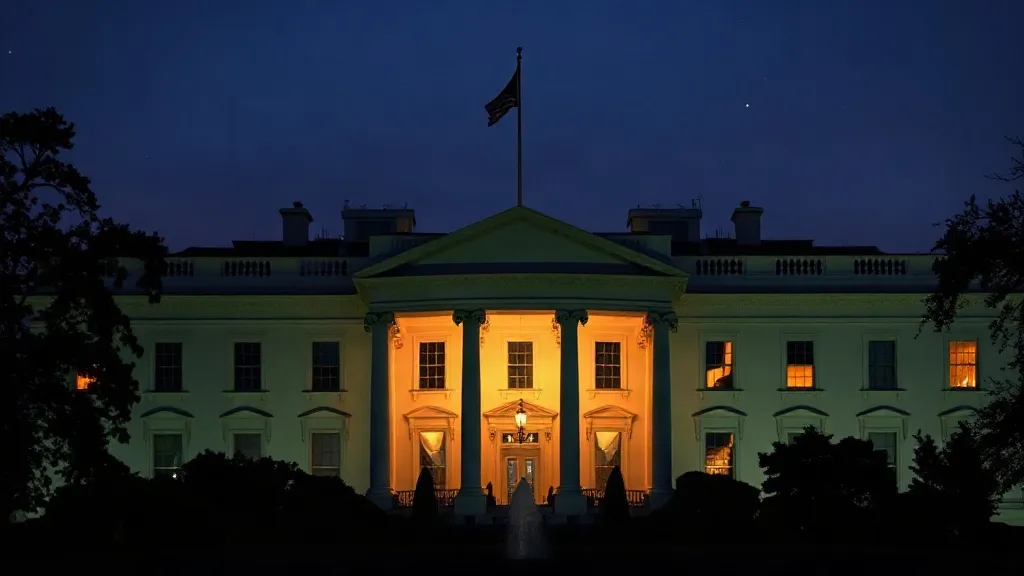
In a move that caught Washington off guard, the White House has withdrawn the nomination of Heidi Overton to serve as Commissioner of the Food and Drug Administration. The decision came just hours before the Senate health committee was set to vote on her confirmation, according to a source familiar with the matter. The withdrawal marks a sudden halt to a nomination that had already stirred debate over the administration's approach to public health and drug regulation.
What Happened
The Senate health committee had scheduled a vote for Wednesday morning on Overton's nomination. But late Tuesday, the White House pulled the plug, citing concerns that had been raised by lawmakers from both parties. While the official reason remains unclear, the move follows weeks of behind-the-scenes wrangling over Overton's positions on abortion and vaccines, two issues that have become litmus tests for health nominees in recent years.
Why the Nomination Stalled
Overton, a former pharmaceutical executive and public health official, was seen as a controversial pick from the start. Her critics pointed to her past work in the industry and questioned whether she would prioritize patient safety over corporate interests. Supporters argued that her experience in both the private and public sectors made her uniquely qualified to lead the agency during a critical time for drug approvals and public health preparedness.
But it was her stance on abortion and vaccines that ultimately proved insurmountable. According to people familiar with the discussions, several senators on the health committee expressed reservations about her views, particularly on whether she would uphold the F.D.A.'s protocols for approving reproductive health products and vaccines. The White House, facing a narrow path to confirmation, opted to withdraw rather than risk a public defeat.
The Bigger Picture: F.D.A. Leadership in Flux
The F.D.A. has been without a permanent commissioner for several months, and the withdrawal leaves the agency in further limbo. The agency is currently led by an acting commissioner, but without a Senate-confirmed leader, it may struggle to make decisive policy moves on issues ranging from drug pricing to tobacco regulation. The vacancy also comes at a time when the F.D.A. is grappling with a host of challenges, including the opioid crisis, the regulation of e-cigarettes, and the implementation of new laws aimed at speeding up generic drug approvals.
Industry experts say the uncertainty could have ripple effects. "The F.D.A. needs strong, stable leadership to function effectively," said a former agency official who spoke on condition of anonymity. "Without a confirmed commissioner, the agency's ability to respond to emerging threats and to make tough regulatory decisions is compromised."
Political Fallout
The withdrawal is a setback for the White House, which had hoped to avoid a messy confirmation fight. It also raises questions about the administration's vetting process for health nominees. Some observers note that Overton's controversial views were well-known before her nomination, suggesting that the White House may have miscalculated the political landscape.
Senate Democrats, who had been critical of Overton, welcomed the withdrawal. "This is the right decision," said one committee member. "The F.D.A. needs a leader who will put science and public health first, not ideology." Republicans, meanwhile, accused the White House of caving to pressure from special interest groups. "The administration is playing politics with an agency that affects the lives of every American," said a Republican aide.
What's Next for the F.D.A.?
The White House has not yet announced a new nominee, and it's unclear how quickly it will move to fill the position. In the meantime, the acting commissioner will continue to lead the agency. But without a permanent leader, the F.D.A. may be hesitant to take controversial actions or to make significant changes to its policies. This could delay key initiatives, such as the agency's plan to regulate nicotine levels in cigarettes or its efforts to increase competition in the pharmaceutical market.
Some public health advocates are calling for a swift replacement. "The F.D.A. is too important to be left in limbo," said a spokesperson for a leading health organization. "We urge the White House to nominate a qualified, uncontroversial candidate who can be confirmed quickly and get to work on the many pressing issues facing the agency."
Lessons for Future Nominations
The failed Overton nomination offers a cautionary tale for future health picks. In an era of heightened political polarization, nominees for health agencies must be prepared to navigate a minefield of issues, from abortion to vaccine policy. The White House will need to vet candidates more carefully, anticipating potential flashpoints and ensuring that their records are thoroughly vetted.
Moreover, the withdrawal underscores the influence of a handful of senators on the health committee, who can make or break a nomination. The administration will need to consult closely with these lawmakers to avoid another embarrassing setback.
Frequently Asked Questions
Why was Heidi Overton's nomination withdrawn?
The White House withdrew the nomination due to concerns raised by senators about her stance on abortion and vaccines, according to sources. The withdrawal came just before a scheduled committee vote.
What is the current status of the F.D.A. commissioner position?
The position remains vacant. An acting commissioner is currently leading the agency, but a permanent, Senate-confirmed leader has not been in place for several months.
How does this affect drug approvals and public health?
Without a confirmed commissioner, the F.D.A. may be slower to make decisions on drug approvals and regulatory changes. This could impact everything from the availability of new medicines to the regulation of tobacco products.
What happens next in the nomination process?
The White House will need to nominate a new candidate. The timeline is uncertain, but the administration is expected to face pressure to act quickly to fill the vacancy.
Could Overton be renominated?
It is highly unlikely. The withdrawal signals that the White House does not believe she can be confirmed, and renominating her would likely face the same opposition.