
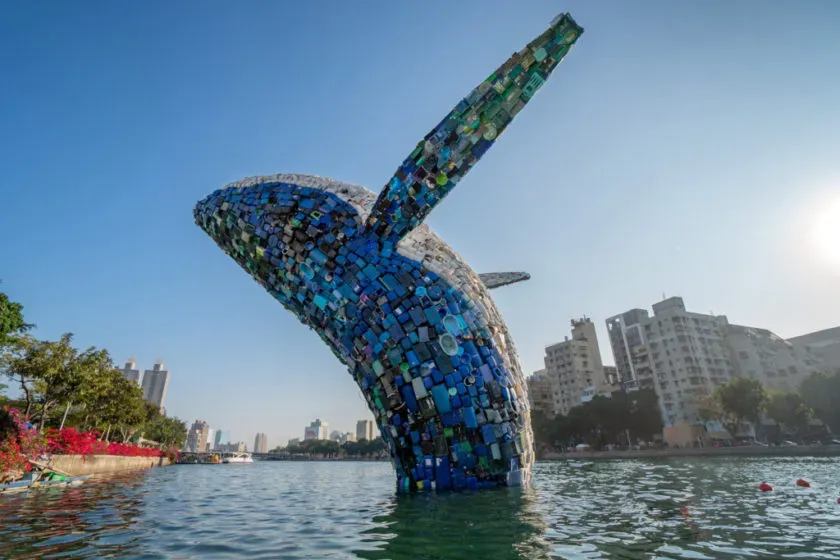
Sustainable Art Practices offer a practical framework for artists who want to express creativity while protecting the planet. By prioritizing eco-friendly art techniques and sustainable materials for art, creators can reduce waste without sacrificing vision. From using water-based mediums to sourcing natural pigments, these choices support a healthier studio environment and cleaner air. Adopting a zero-waste art studio mindset helps artists rethink packaging, reuse tools, and repurpose scraps into meaningful works. Together, these green art practices reflect the broader goals of a sustainable art approach.
Viewed through a broader lens, this approach centers on environmentally mindful making, prioritizing low-toxicity materials and durable, repairable outcomes. LSI takes this further with terms like eco-conscious creation, sustainable design for the arts, and circular-material workflows that extend a piece’s life. Practitioners emphasize upcycling art supplies, reusing components, and responsible sourcing to connect creative intent with community health and planetary stewardship. By framing the practice around green art principles, longevity, and transparent materials, studios can attract audiences seeking regenerative, responsible processes. The emphasis remains on reducing waste, reusing resources, and rethinking traditional methods to build resilient, creatively vibrant studios.
Sustainable Art Practices: Integrating Eco-Friendly Techniques for Creative Freedom
Adopting Sustainable Art Practices means weaving environmental thinking into technique and concept. By choosing eco-friendly art techniques such as water-based mediums, non-toxic paints, natural pigments, and plant-based binders, artists protect indoor air quality while expanding their expressive range. This approach aligns with green art practices by prioritizing materials with lower toxicity and smaller ecological footprints, creating work that resonates with audiences who value responsibility and innovation.
To translate theory into practice, begin with a studio audit and smart procurement. Embracing a zero-waste art studio mindset involves digital planning before making marks, reusing tools and containers, and favoring sustainable materials for art with recycled content and minimal packaging. Over time, you’ll reduce waste, cut costs, and enhance the durability and longevity of your pieces—maintaining high craft standards while lowering environmental impact.
Green Studio Practices: Sustainable Materials for Art and Upcycling Art Supplies
Sustainable materials for art extend beyond pigments to substrates and textiles. Reclaimed and recycled substrates—such as recycled paper, reclaimed wood panels, linen and cotton canvases, hemp papers, and bamboo supports—reduce environmental impact while preserving performance. Pair these with natural fibers and plant-based textiles and low-toxicity mordants to honor eco-friendly art techniques across painting, sculpture, and textile work, while embracing upcycling art supplies as a routine part of creation.
Practical upcycling moves include repurposing packaging, jars, and containers into sculptural elements; transforming scraps into texture; refurbishing old frames; and incorporating found objects. This approach supports a zero-waste studio by closing loops in the supply chain and encouraging responsible disposal of waste streams. By weaving sustainable materials for art with upcycling art supplies, artists realize ambitious projects with a smaller footprint and reinforce the broader goal of green art practices.
Frequently Asked Questions
What are Sustainable Art Practices and how can I start incorporating eco-friendly art techniques into my studio?
Sustainable Art Practices are a practical framework for creating art with a lighter environmental footprint. To begin, adopt eco-friendly art techniques such as water-based, non-toxic mediums and natural pigments, and reuse tools and palettes to cut waste. Prioritize sustainable materials for art by checking sourcing and end-of-life options, and plan your projects with digital planning to minimize trial-and-error and material use.
How can I build a zero-waste art studio using sustainable materials for art and upcycling art supplies?
A zero-waste art studio focuses on design, planning, and reuse to minimize waste. Start with an inventory and waste audit to identify major waste streams, then choose sustainable materials for art with recycled content and minimal packaging. Embrace upcycling art supplies by repurposing containers as palettes or sculpture components, refurbishing frames, and recycling scrap materials. Establish washable workflows, reusable tools, and a take-back or recycling program to reduce trash and extend the life of your materials.
| Topic |
|---|
| Introduction |
Summary
Conclusion text