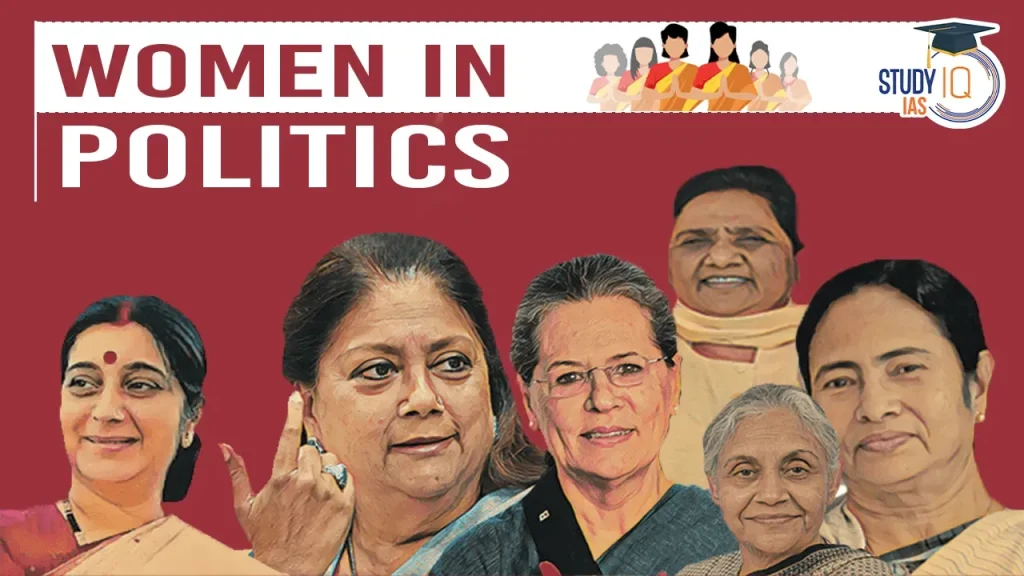
Women in Politics are reshaping governance by bringing lived experience, resilience, and collaborative leadership into public life across local councils, regional assemblies, national legislatures, and executive agencies, where they challenge stereotypes about what constitutes credible leadership and broaden the kinds of policy questions that are considered legitimate and urgent, from education and health to housing and climate resilience. Their presence is more than a numeric gain; it translates into policy agendas that prioritize universal health coverage, quality education, affordable childcare, gender-responsive budgeting, and equal opportunity, signaling a broader commitment to the well-being of families and communities while inspiring younger generations to participate. Yet barriers to women in politics—ranging from funding gaps and nomination hurdles to hostile media environments, safety concerns, and the competing demands of caregiving—remain stubborn obstacles, shaping perceptions, draining resources, and slowing momentum, unless addressed through targeted reforms, cross-party mentorship, transparent fundraising rules, data-driven accountability, and sustained civic education. Breakthroughs appear when political parties invest in talent pipelines, civil society mobilizes around shared policy goals, media narratives shift toward credible leadership, and international norms encourage accountability, creating pathways for women to navigate campaigns, secure financing, join coalitions, influence policy design, and sustain coalitions that advance long-term reform. Ultimately, progress toward a more representative and resilient political system depends on coordinated reforms, sustained investment, and a culture that values diverse voices, ensuring governance remains responsive to the needs of all communities and that participation becomes a durable feature of democracy.
Women in Politics: Barriers, Representation, and the Road to Inclusion
Women in Politics signals more than parity in numbers; it embodies the ability to shape policy that reflects diverse experiences and needs. The political representation of women brings attention to health, education, and social welfare issues that touch daily life, strengthening democratic legitimacy. Yet persistent barriers to women in politics—ranging from funding gaps and unequal access to campaign resources to social norms, harassment, and the higher costs of balancing family responsibilities with public life—remain significant. Addressing these barriers is essential to move from symbolic inclusion to meaningful influence in legislatures, cabinets, and local councils.
To advance the goal of gender equality in politics, societies must implement practical remedies that go beyond promises. Policies such as targeted funding for women candidates, anti-harassment protections, and transparent party practices can level the playing field. Quotas or parity laws, coupled with robust accountability mechanisms, can accelerate the political representation of women while ensuring caregivers and early-career candidates receive support. Cultivating a political culture that values diverse voices requires coordinated efforts across civil society, media, and political institutions to translate representation into sustained influence.
Strategies to Foster Gender Equality in Politics: Elevating Female Political Leadership and Inclusive Institutions
Real progress in gender equality in politics hinges on intentional development of female political leadership. Mentorship programs, leadership training, and networks help aspiring candidates overcome structural hurdles and build the confidence needed to win elections. Media literacy and responsible reporting can counteract hostile narratives while highlighting capability and policy impact. By ensuring transparent candidate development, parties can track gender representation data, identify gaps, and implement reforms that promote a more inclusive pipeline for women stepping into roles of leadership.
A comprehensive approach combines policy instruments with supportive infrastructure. Family-friendly measures such as paid parental leave, affordable childcare, and flexible campaign logistics reduce hidden costs of political participation for women. Enforcing anti-discrimination rules, safeguarding safety online and offline, and investing in campaigns specifically designed for women are critical steps toward female political leadership. When these strategies are embedded in a broader movement for social justice and economic inclusion, gender equality in politics becomes a durable standard rather than a project with a limited horizon.
Frequently Asked Questions
What are the core barriers to women in politics, and what practical steps can societies take to address these barriers to improve the political representation of women?
Barriers to women in politics include funding gaps and unequal access to campaign resources, social norms and gender stereotypes, harassment and threats, and the high cost of balancing family responsibilities with campaign demands. Addressing these barriers requires targeted funding for women candidates, mentorship and training programs, and safe, harassment-free campaign environments. Complementary measures such as transparent candidate development, media literacy campaigns, and inclusive electoral practices help improve the political representation of women while building momentum for female political leadership across regions.
How does female political leadership influence policy, and what policy and institutional changes are needed to advance gender equality in politics and strengthen political representation of women?
Female political leadership often brings a focus on health, education, and social welfare, contributing to policy outcomes that directly affect families and communities and advancing gender equality in politics. To sustain this progress, governments and parties can implement gender quotas or parity laws, enforce anti-harassment and anti-discrimination rules, fund mentorship and campaign training, and track gender representation data. Together, these policy and institutional changes build a more inclusive political culture and broaden opportunities for women in politics, reinforcing political representation of women and strengthening female political leadership.
| Aspect | Key Point |
|---|---|
| Introduction & Purpose | Women in Politics symbolize inclusive representation and an ongoing process toward gender equality in public life. |
| Understanding Representation | When women participate in decision-making they bring priorities such as health, education, and social welfare; representation means influence over policy, budgets, and agendas. |
| Barriers to Women in Politics | Barriers include funding gaps, unequal access to resources, social norms and stereotypes, harassment, family responsibilities, and electoral system biases. |
| Breakthroughs & Success Stories | There are leadership breakthroughs across continents; progress when parties invest in talent pipelines; media portrayal shifts; and policy innovations in childcare, health, and education. |
| Policy & Institutional Change | Quotas and parity laws can accelerate change, paired with accountability; enforcement against harassment and discrimination; training, mentorship, and campaign support. |
| Strategies for a More Inclusive Future | Mentorship networks; media literacy; parental leave; affordable childcare; flexible campaigning; transparent candidate development and gender-representation data tracking. |
| Global Perspectives & Intersectionality | Intersectionality matters; women from different backgrounds face distinct barriers and opportunities; solutions should be tailored to local contexts while upholding universal fairness. |
| Outlook | An ongoing journey toward robust and durable representation where Women in Politics are increasingly visible, influential, and able to deliver inclusive policies. |
Summary
Women in Politics continues to evolve as more women participate and lead across legislatures, cabinets, and local governments. This ongoing journey reflects both notable breakthroughs and persistent barriers, underscoring that representation is a continuous process, not a one-time milestone. Achieving gender equality in politics requires deliberate policy design (such as quotas and parity laws), strong institutional safeguards against harassment, and targeted programs that develop female leadership, mentorship, and equitable resources. By addressing funding gaps, childcare needs, flexible campaigning, and transparent data on gender representation, societies can foster a political culture where diverse voices help shape policies that improve health, education, and social welfare. Recognizing intersectionality and tailoring solutions to local contexts ensures inclusive progress for women across different racial, ethnic, and socioeconomic backgrounds. Ultimately, the vision is a political system where Women in Politics are robust, durable, and truly representative of the public they serve.